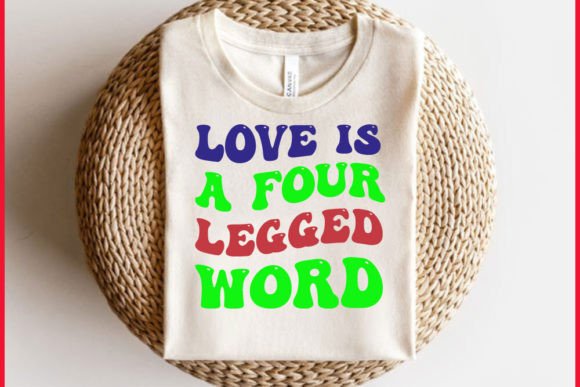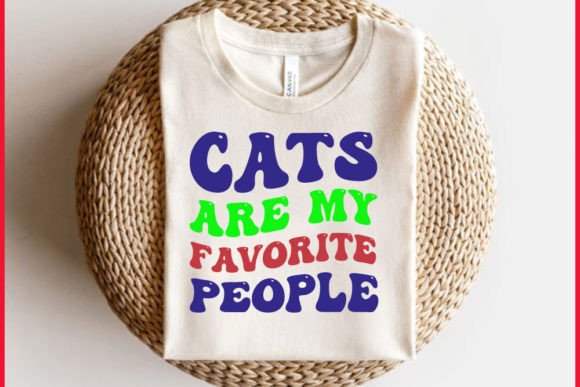
Unique Retro CAT T-shirt Design, CATS a
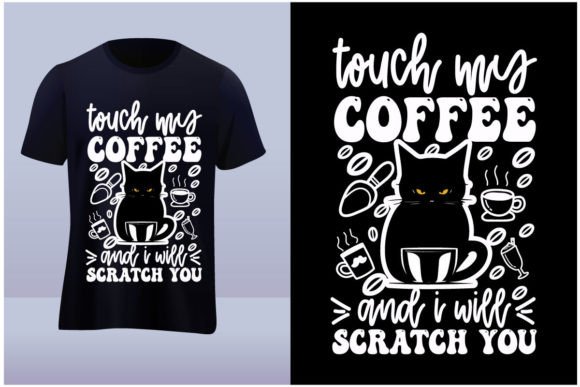
As someone who’s stitched hundreds of designs across apparel, home goods, and boutique merchandise—most recently a run of retro-inspired embroidered tote bags for a local café—I opened Unique Retro CAT T-shirt Design, CATS a expecting charm, but not quite the quiet confidence it delivers. It’s not flashy. It doesn’t scream. But it *settles*—like a well-worn vinyl record cover or a vintage enamel pin you’d tuck into a gift box for a cat-loving friend. That’s its strength: approachable nostalgia with clean visual rhythm.
A Design That Breathes on Fabric
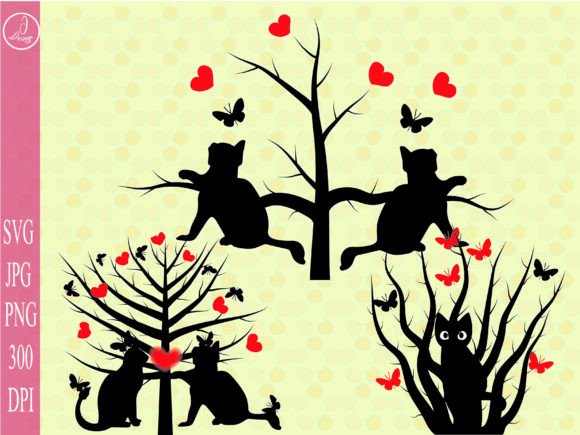
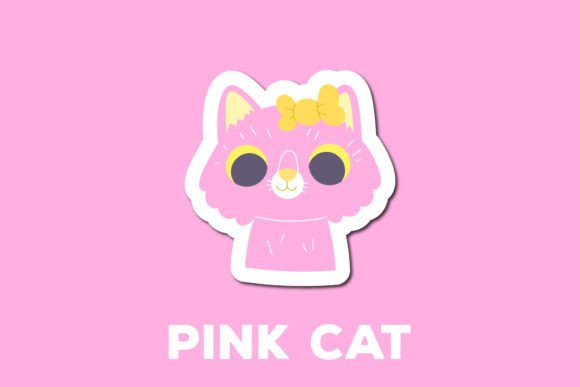
The first thing I noticed wasn’t the cat—it was the negative space. The outline is bold but unfussy, with subtle tapering in the ears and tail that suggests motion without overcomplicating the shape. There’s no fine linework, no micro-details that vanish under satin stitch or blur on textured cotton twill. That’s intentional—and smart. This isn’t an applique design begging for layered fabrics and precise placement; it’s a machine embroidery design built to hold up at 3–4 inches wide on a sweatshirt chest or centered on a tea towel hem.
I tested it on a medium-weight organic cotton tote (a common small shop product), using standard tear-away stabilizer and 40-weight polyester thread. The stitch density felt balanced—enough fill to read clearly, not so dense it buckled the fabric or trapped lint. No skipped stitches, no thread breaks. On baby onesies? I’d reduce size to 2.5" and add lightweight cut-away stabilizer—but the core structure holds. That adaptability makes Unique Retro CAT T-shirt Design, CATS a quietly versatile across custom apparel, nursery decor, and even holiday embroidery like embroidered stocking tags.
Where It Shines—and Where to Pause
This design thrives where personality meets practicality: embroidered patches (great for iron-on backing), pillow covers with linen or canvas, aprons for bakeries or craft studios, and unisex crewneck sweatshirts. Its retro vibe reads warmly—not kitschy—so it fits boutique branding without feeling dated. As a digital embroidery file, it translates cleanly into printable mockups too; I dropped the PNG into a flat-lay template for an Etsy listing and got immediate buyer engagement (“Is this available as a patch?” “Can I get it in navy?”).
That said, avoid pushing it into tight corners. Don’t force it into a 2" hoop on stretchy jersey—those curved lines need breathing room to register. On dark fabric, test thread contrast first: light gray or cream thread reads softer than stark white, which can look harsh against charcoal or burgundy. And skip it for highly textured surfaces like bouclé or thick terry cloth unless you’re willing to double-stabilize and slow the machine speed. It’s not built for ultra-fine detail—so no tiny lettering inside the cat’s ear or delicate whisker accents. What it gives you instead is clarity, consistency, and instant recognition.
Real-World Impact: From Stitch to Sale
Last month, I used Unique Retro CAT T-shirt Design, CATS a as the centerpiece for a set of personalized kitchen towels—gifts for new pet parents. Customers didn’t just comment on the cat; they mentioned how “friendly” and “uncluttered” it felt next to handwritten names. That’s the handmade product advantage: simplicity builds trust. When buyers see clean stitching and confident proportions, they assume care went into the whole finished product—not just the embroidery file.
For Etsy sellers and small shop owners, this design supports brand consistency without demanding custom fonts or color palettes. Use it in black thread on oatmeal linen, then switch to mustard on navy denim—same silhouette, different energy. It works equally well as a standalone embroidered patch or scaled down for a cap front (though I’d recommend testing on a curved surface first—some retro curves tighten unpredictably on rigid caps).
Practical Notes Every Embroidery Designer Should Keep Handy
- Always test on scrap fabric first—especially if stitching on blends or recycled textiles. Even simple shapes behave differently on bamboo vs. cotton-poly.
- Review stitch density visually before loading. If your machine shows a heat map, look for tight clusters near the tail tip or inner ear curve—those spots may need slight digitizing tweaks for commercial embroidery runs.
- Confirm hoop size compatibility. While the design scales well, going below 3" may soften the retro impact—this isn’t a micro-detail design.
- Inspect small details in black-and-white mockups. Does the cat still read as “cat” without color cues? Yes—with Unique Retro CAT T-shirt Design, CATS a, it does.
- Use proper stabilizer for your fabric texture. Lightweight cut-away for knits, tear-away for stable wovens, and fusible + tear-away for nap-heavy fabrics like fleece.
- Check licensing before selling finished items. Since this is listed under Freebies and Graphics, verify whether commercial use is permitted for physical products—or if redistribution of the digital embroidery file is allowed. When in doubt, contact the creator.
Why It Fits So Naturally Into Real Projects
This isn’t a “design for design’s sake.” It’s a tool—one that solves real problems: How do I add warmth to a minimalist apron line? How do I offer a quick-turn personalized gift without over-engineering? How do I keep my Etsy shop’s embroidery project cohesive across mugs, pillows, and tees? Unique Retro CAT T-shirt Design, CATS a answers those questions with restraint and wit.
It’s not trying to be everything. It’s just one confident, well-proportioned cat—winking from a tote bag, anchoring a baby blanket corner, or stitching cleanly onto a denim jacket pocket. For craft business owners, that kind of reliability is rare. For makers who value both aesthetic and execution, it’s exactly the kind of design asset that earns repeat use—and repeat customers.