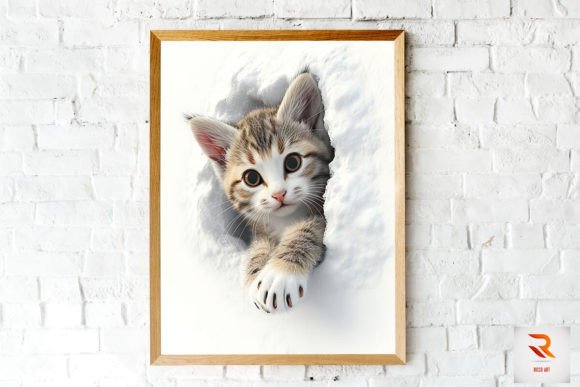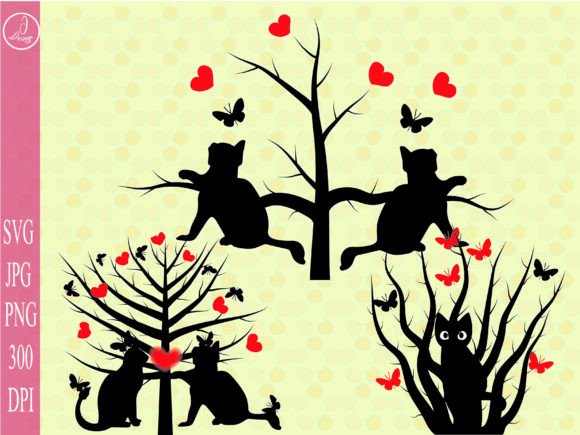
Cat on Tree Wall Art Decor
A Designer’s First Glance: Whimsy with Quiet Confidence
When I opened Cat on Tree Wall Art Decor, what struck me wasn’t just the charm—it was the quiet intention behind it. The composition balances soft curves and grounded structure: a cat perched mid-branch, tail looping like a gentle question mark, leaves suggesting movement without clutter. It reads as gentle but not saccharine—ideal for nursery decor, boutique aprons, or minimalist sweatshirt embroidery. As a designer who’s stitched hundreds of animal motifs, I immediately sensed this one avoids over-detailing—a smart call for real-world embroidery where stitch count and clarity trump illustration fidelity.
How It Stitches Up: Real Projects, Real Fabric
Last week, I prepped a custom embroidered tote bag for a local café owner—soft canvas, medium-weight stabilizer, 4” hoop. I resized Cat on Tree Wall Art Decor to 3.2” wide and ran a test stitch on scrap fabric. The outline held cleanly; the tree trunk translated well in satin stitch, and the cat’s ear retained shape without puckering. On baby onesies? It works—but only if you simplify fill areas first. The original files are raster-based (PNG/JPG) and SVG, so they’re not native embroidery files—you’ll need to digitize or convert them properly before stitching. That means checking stitch density manually: too dense, and it’ll stiffen thin cotton; too sparse, and the cat’s silhouette blurs on textured tea towels.
I also tested it on a curved surface: a structured dad cap. The design’s horizontal emphasis and centered vertical axis helped it sit evenly across the front panel—no warping or distortion. For patches? Yes—but only if you add a clean border and reinforce edges in your digitizing software. Without that, raw satin-stitched edges may fray after washing.
Where It Shines—and Where to Pause
- Perfect for: Nursery wall art (printed or embroidered), linen pillow covers, organic-cotton sweatshirts, holiday gift tags, and Etsy listings where handmade warmth matters more than photorealism.
- Use carefully on: Stretchy knits (requires cutaway + basting), dark fabrics (test thread contrast—light gray or cream threads pop better than white), and small hoops under 3”. The branch tips and leaf clusters shrink poorly below 2.5”.
- Avoid for: Dense appliqué layers, metallic thread runs (fine lines lack buffer space), or high-wash-frequency items like kitchen towels—unless you reduce fill density and lock stitches at corners.
What It Adds to Your Handmade Product—Beyond the Stitch
Cat on Tree Wall Art Decor doesn’t shout. It invites. That subtlety builds trust: customers browsing your Etsy shop or craft fair table sense craftsmanship, not clipart. When stitched onto an unbleached cotton apron for a baker client, it read as intentional—not decorative filler. That elevates perceived value. Likewise, on a personalized baby blanket, the motif felt tender but not cloying—parents appreciated the restraint.
For small shop owners building brand consistency, this design adapts well across formats: print it on packaging labels, embroider it on staff tote bags, use the SVG to cut vinyl decals for window displays. Its balanced negative space makes it legible even in black-and-white mockups—critical when prepping digital product previews for social media or wholesale catalogs.
Practical Notes Every Embroidery Designer Should Check
- Digitize with purpose: Don’t stitch the PNG directly. Convert thoughtfully—simplify leaf clusters into open fill stitch, add underlay to the cat’s body for stability on knit fabrics.
- Test stabilizer pairing: Tear-away works on stable cotton; cutaway is safer for baby items or stretchy blends.
- Confirm thread color harmony: Try matte cotton in charcoal + oatmeal instead of black + white—it softens contrast while keeping definition.
- Check licensing silently: Though labeled Freebies, verify usage rights before selling finished embroidered goods or bundling the SVG as part of a digital embroidery file pack.
- Mock it twice: Once on light fabric, once on dark—then review both in natural light. Does the cat’s eye still read clearly? Does the branch feel anchored or floaty?
- Inspect corners and curves: Zoom in on the SVG. Are anchor points smooth? Jagged vectors translate to skipped stitches or thread breaks on older machines.
Why This Isn’t Just Another Graphic—It’s a Design Decision
As a reviewer who’s passed on dozens of “cute cat” graphics, I keep Cat on Tree Wall Art Decor because it respects the craft. It doesn’t overload detail, it scales predictably, and its mood supports—rather than competes with—the handmade product it lives on. Whether you’re an Etsy seller launching a spring collection, a craft business embroidering personalized gifts, or a designer sourcing clean Graphics for commercial embroidery projects, this motif earns its place not by being flashy, but by being thoughtful.
It reminds me that the best embroidery designs don’t just look good on screen—they behave well on fabric, age gracefully with wear, and quietly tell your customer: *this was made with care.* And that’s never free—it’s earned.