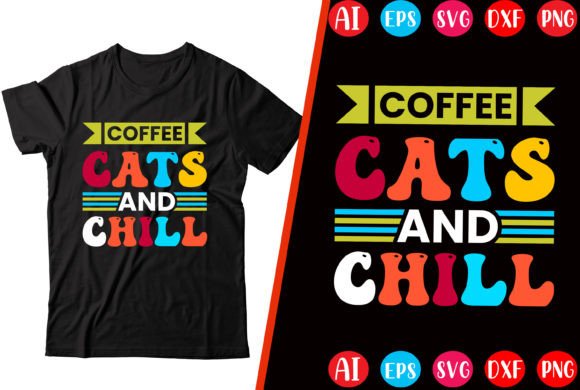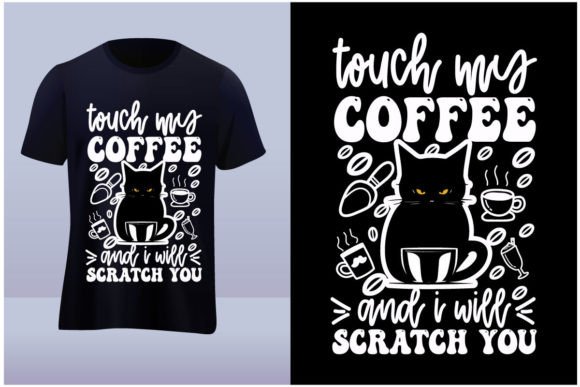
Coffee and Cat Vector Tshirt Design
A Designer’s First Glance: Charm with Quiet Confidence
When I opened the Coffee and Cat Vector Tshirt Design, I wasn’t looking for cuteness—I was looking for clarity, cohesion, and craft viability. What stood out immediately wasn’t just the theme (a warm nod to two beloved daily rituals), but how cleanly the vector lines resolved: smooth curves on the cat’s ear, balanced negative space around the mug handle, and a subtle tilt in the steam that implies motion without clutter. This isn’t a busy illustration—it’s a distilled idea. That matters deeply when translating to thread.
Real Project Test: Embroidering a Linen Kitchen Towel for a Local Boutique
Last week, I used the Coffee and Cat Vector Tshirt Design as the centerpiece for a set of embroidered linen tea towels—hand-stitched by me, sold through a small-town kitchen boutique. Why this design? Because it landed right between playful and polished: friendly enough for a gift, refined enough for a curated shelf. I resized it to fit a 4” hoop, digitized it with moderate stitch density (mostly satin stitch for outlines and soft fill stitch for the mug body), and paired it with matte cotton thread in warm taupe and charcoal. The result? A tactile, grounded piece—no floating elements, no lost details. Customers commented on how “clear” the cat’s expression stayed, even at that scale. That’s not accidental. It’s vector discipline meeting embroidery sense.
Where It Shines—and Where It Asks for Extra Care
The Coffee and Cat Vector Tshirt Design works especially well for:
- Custom apparel on medium-weight cotton tees and relaxed-fit sweatshirts—its open layout avoids overcrowding seams or side panels;
- Embroidered patches for aprons or tote bags—clean edges mean crisp heat-transfer or sew-on results;
- Baby embroidery on onesies and burp cloths—soft shapes read well at small sizes, and the lack of fine interior linework reduces snag risk;
- Holiday embroidery on pillow covers or kitchen towels—its cozy vibe reads instantly, without needing seasonal props;
- Commercial embroidery for Etsy sellers and small shop owners who value consistent, recognizable branding across product lines.
That said, proceed thoughtfully with:
- Stretchy fabric like jersey knits—this design benefits from light- to medium-weight cutaway stabilizer to hold those clean curves true;
- Thin or textured fabrics such as lightweight chambray or waffle-weave towels—test stitch density first; too much fill stitch can overwhelm the surface;
- Curved surfaces like caps or low-profile beanies—the cat’s rounded form adapts better than angular motifs, but still requires careful hooping and possibly slight manual adjustment;
- Dark fabric backgrounds—the original vector doesn’t include drop shadows or outlines, so consider adding a subtle running stitch border in a contrasting thread for legibility;
- Products requiring frequent washing like baby items or kitchen linens—verify your digitizing software maintains adequate underlay and stitch spacing for durability.
What It Adds to Your Handmade Product—and What It Doesn’t Promise
This isn’t a high-detail portrait or a multi-layered applique design. It doesn’t aim to mimic watercolor washes or fur texture. And that’s its strength. The Coffee and Cat Vector Tshirt Design delivers quiet professionalism—not flash, but finish. When stitched on a cream-colored organic cotton tote, it elevated the item from “cute” to “considered.” Customers paused longer. They asked about the designer. That kind of engagement starts with visual coherence—not complexity.
It also supports brand consistency effortlessly. Whether you’re selling on Etsy, at craft fairs, or through your own website, this design holds up across mockups, physical samples, and repeat orders. Its simplicity means fewer surprises in thread tension or registration—critical when managing multiple machines or outsourcing digitizing.
Practical Notes Every Embroidery Designer Should Run Through
Before stitching your first Coffee and Cat Vector Tshirt Design into a finished product:
- Test on scrap fabric—same weight, same weave, same stabilizer combo you’ll use for the real piece;
- Check thread color contrast in natural light and under store lighting—what reads well on screen may fade on oat linen;
- Review stitch density in your embroidery software—vector files don’t auto-digitize, so ensure fills aren’t overly dense for breathable fabrics;
- Confirm hoop size compatibility—the SVG and EPS files give you full scaling control, but always verify your final dimensions match your machine’s max hoop capacity;
- Inspect small details—especially the cat’s eye and mug handle curve—at 100% zoom in your editor before sending to machine;
- Try black-and-white mockups—this design relies on shape and rhythm, not color, so grayscale previews reveal clarity gaps fast;
- Compare light and dark fabric backgrounds—some versions may need a subtle outline or shadow layer for visibility;
- Use proper stabilizer—especially for knits or loosely woven textiles where puckering could distort the mug’s symmetry;
- Verify licensing—since this is listed under Freebies and categorized as Graphics, confirm whether commercial use of finished embroidered goods is permitted before listing on Etsy or in your shop.
Final Thought: A Reliable Anchor in Your Design Assets
The Coffee and Cat Vector Tshirt Design won’t replace your custom-drawn signature motif—but it might become the go-to you reach for when time is tight, clients want warmth without whimsy, or your small shop needs a cohesive, stitch-ready asset across mugs, towels, and tees. It’s confident in its simplicity, respectful of thread and fabric, and quietly versatile. In a world of overdesigned digital embroidery files, that kind of restraint is rare—and useful.