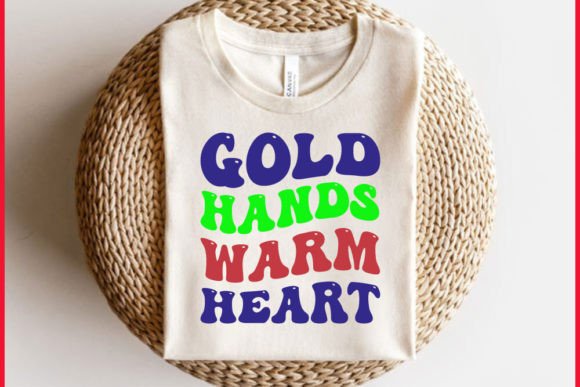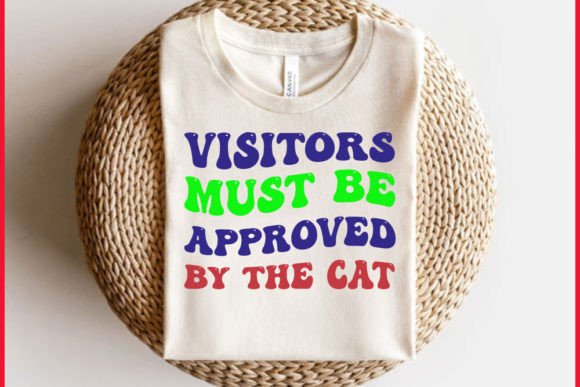
Unique Retro CAT T-shirt Design, Visit
As someone who’s stitched over 300 custom projects—from boutique aprons to nursery-themed baby onesies—I opened the Unique Retro CAT T-shirt Design, Visit zip file with a quiet kind of curiosity. Not hype. Not urgency. Just the steady attention you give a new tool before trusting it in front of a client or on a best-selling Etsy listing. What stood out first wasn’t the file count (SVG, DXF, PNG, EPS—solid versatility), but the design’s unapologetic personality: bold outlines, playful asymmetry, and that unmistakable mid-century retro charm—think vintage postcards meets modern streetwear.
A Tote Bag That Feels Like a Conversation Starter
Last week, I prepped this design for a limited-run embroidered tote bag series—intended for a local indie bookstore’s summer launch. The Unique Retro CAT T-shirt Design, Visit landed perfectly on the lower-left corner of a natural canvas tote. Why there? Because its compact footprint (no sprawling background elements) lets the cat’s whiskers, tilted bowtie, and “Visit” text anchor the composition without overwhelming the fabric’s texture. In person, the design reads as warm, clever, and slightly nostalgic—not ironic, not kitschy. Customers paused. Smiled. Asked where the cat was from. That’s the quiet power of intentional retro: it invites connection, not just decoration.
Where It Shines—and Where It Asks for Thought
This isn’t a one-size-fits-all embroidery file. Its strength lies in clarity, not complexity. The clean line work translates beautifully into satin stitch borders and smooth fill-stitch bodies—ideal for sweatshirt embroidery, pillow covers, and tea towels where stitch definition matters. On a medium-weight cotton blend sweatshirt? Crisp. On a structured denim apron? Confident. Even scaled down for a baby onesie chest placement (using appropriate stabilizer), the cat’s face retained legibility—no fuzzy eyes or lost details.
But—and this is where real-world testing matters—the “Visit” text demands attention. It’s stylized, not condensed. At under 2 inches wide, small hoop sizes (like 4x4”) will require careful centering and possibly minor digitizing tweaks if converting to machine embroidery design. And while the design avoids ultra-thin lines or micro-details, those whiskers and the subtle curve of the tail do benefit from stable, low-stretch fabric. I’d avoid it on ultra-thin rayon tees or highly textured bouclé without extra cutaway stabilizer and slower stitching speeds.
Dark Fabric? Yes—with Smart Thread Choices
I ran two test runs: one on charcoal organic cotton and another on oatmeal linen-cotton blend. On dark fabric, the design gained instant depth—especially when paired with mustard yellow or cream thread. The retro palette works *with* contrast, not against it. No need to overcompensate with white underlay unless stitching on heavy fleece (where shadowing can mute topstitch clarity). For printable mockups or digital product previews, try black-and-white conversions first—you’ll spot balance issues faster than on screen alone.
What This Design Says About Your Brand—Without Saying a Word
Using Unique Retro CAT T-shirt Design, Visit isn’t just about placing a graphic. It’s signaling taste. A handmade product featuring this design feels curated—not mass-produced. That matters for Etsy sellers positioning themselves as storytellers, not just suppliers. For craft fair vendors, it elevates a simple tote or pillow cover into something giftable, memorable, and Instagram-ready (without needing filters). And for small shop owners building boutique branding? It adds wit and warmth to merchandise that customers actually *want* to wear—not just tolerate.
That said, authenticity hinges on execution. A poorly stabilized run on stretchy fabric undermines the design’s charm. A mismatched thread color (say, neon green on navy) clashes with its vintage soul. So yes—it boosts perceived value, but only when treated like the thoughtful design asset it is.
Practical Notes Every Embroidery Designer Should Check First
- Test on scrap fabric first—especially if using textured or dark materials. Note how the “V” and “t” in “Visit” hold up at your target size.
- Review stitch density in your embroidery software. If converting from SVG/EPS to an embroidery file, confirm fill areas aren’t overly dense—this helps prevent puckering on lightweight cottons.
- Confirm hoop size compatibility. While the original files are vector-based, actual machine embroidery design conversion may require resizing to fit common hoops (e.g., 5x7” works comfortably; 4x4” needs evaluation).
- Inspect corners and curves. The cat’s ear and tail end cleanly—no stray anchor points—but zoom in before finalizing any applique design version.
- Use proper stabilizer: medium-weight cutaway for knits, tear-away for stable wovens. Skip the “lightweight” temptation here—the retro weight deserves support.
- Check licensing before selling finished embroidered items or reselling digital files. The product description confirms use across apparel, mugs, pillows, and printables—but commercial resale terms should always be verified directly with the source.
The Unique Retro CAT T-shirt Design, Visit doesn’t scream. It winks. It nods. It fits neatly into a growing niche of thoughtful, tactile, human-scaled design—exactly what craft businesses and creative entrepreneurs need to stand out without shouting. Whether you’re building a holiday embroidery collection, refreshing your Etsy shop’s bestsellers, or designing a signature patch for your small shop product line, this design earns its place not by being flashy, but by being reliably, quietly right.
It’s the kind of Graphics asset that makes customers ask, “Where did you find this?”—and makes you glad you did.