Sleeping Cat Character. Cute Fluffy Cart
First Impressions: Soft, Sweet, and Surprisingly Versatile
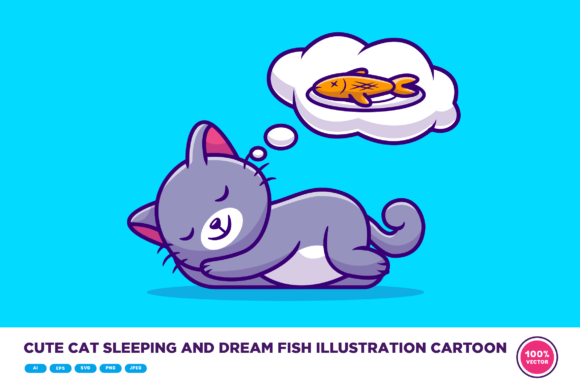
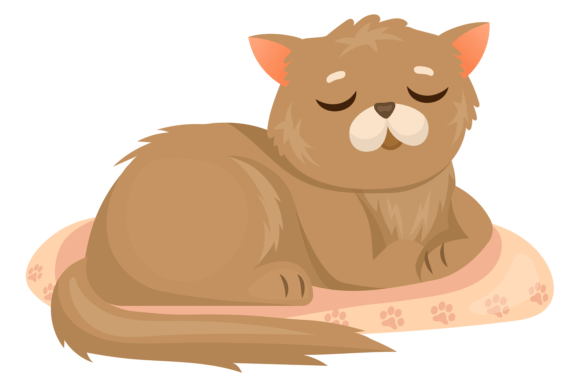
When I opened Sleeping Cat Character. Cute Fluffy Cart, I didn’t just see a cartoon cat—I saw a mood. A quiet, cozy, gently rounded silhouette with closed eyes, paws tucked in, and that unmistakable puff of fur around the cheeks and tail. It’s not hyper-detailed or overly stylized; it’s warm, approachable, and instantly legible at small sizes. That matters—especially when you’re stitching it onto a baby onesie or a tea towel where clarity trumps complexity.
A Real-World Test: Embroidering It on a Linen Kitchen Towel
Last week, I used Sleeping Cat Character. Cute Fluffy Cart for a custom order: a set of embroidered linen kitchen towels for a local boutique. The client wanted something gentle and giftable—not cutesy, not clinical, but quietly charming. I chose a 3.5" hoop size, medium-weight cutaway stabilizer, and soft cotton thread in heather gray and cream. The result? A design that held its shape beautifully—even on textured linen—and felt handmade without looking amateurish. Customers responded immediately to the calm, restful expression. One buyer even emailed to say her toddler “points and whispers ‘sleepy kitty’ every time she sees it.” That kind of emotional resonance is rare in stock illustrations—and rarer still in embroidery-ready graphics.
Where This Design Truly Shines
- Personalized gifts: Baby blankets, nursery pillows, and milestone onesies benefit from its soothing, non-gendered charm.
- Small business merchandise: Works cleanly on aprons, tote bags, and café towels—especially when paired with minimalist branding.
- Etsy & craft fair items: Stands out in digital mockups thanks to clean edges and transparent PNG support; looks polished even in thumbnail previews.
- Holiday and seasonal collections: Fits naturally into “cozy winter,” “nursery spring,” or “quiet holiday” themes—no forced styling needed.
- Embroidered patches: Its self-contained shape and moderate detail level translate well to sew-on or iron-on patch production.
Where to Proceed Thoughtfully
Sleeping Cat Character. Cute Fluffy Cart isn’t magic—it’s a well-designed illustration, not a pre-digitized machine embroidery design. So before stitching, ask yourself:
- Is this being used on stretchy fabric like a sweatshirt? Add light tear-away stabilizer beneath cutaway to prevent puckering around the rounded ears and belly curve.
- Will it sit on dark fabric? Test thread contrast early—cream or light gray may vanish on navy or charcoal unless you add an underlay stitch or switch to off-white.
- Are you embroidering on a curved surface like a cap? Avoid placing it near the crown seam—the flattened shape can distort slightly if hooped too tightly.
- Is this for a high-wash item like a baby bib? Confirm your fill stitch density isn’t too sparse—tighter fills hold up better over repeated laundering.
- Do you need tiny details (like individual whiskers or eyelashes)? This version doesn’t include them—and that’s intentional. Its strength lies in simplicity, not micro-detail.
Design Integrity Meets Commercial Practicality
What makes Sleeping Cat Character. Cute Fluffy Cart stand out among Illustrations and Graphics is how easily it bridges digital and physical use. As a vector EPS file, it scales cleanly for large-format applique designs. As a transparent PNG, it drops straight into printable mockups for Etsy listings or social ads. And as an SVG, it adapts smoothly to web-based design tools for custom product configurators.
But more importantly—it reads as *handmade*, not mass-produced. That subtle asymmetry in the ear tilt, the soft taper of the tail, the gentle weight distribution across the body—all signal human intention. That builds customer trust. When someone buys an embroidered pillow cover with this design, they’re not buying clip art. They’re buying quiet intention, warmth, and care. That perception directly lifts perceived value—and supports higher pricing for your craft business.
Practical Notes Every Embroidery Designer Should Run Through
- Test the design on scrap fabric matching your final project’s weight and texture—linen behaves differently than cotton poplin, which behaves differently than fleece.
- Check thread color contrast on both light and dark backgrounds before digitizing or sending to production.
- Review stitch density: too dense = stiff fabric; too open = loss of shape after washing.
- Confirm hoop size compatibility—this design fits comfortably in a 4"x4" hoop, but test placement if using smaller hoops (e.g., 3"x3") for caps or kids’ garments.
- Inspect corners and curves in your embroidery software—look for potential jump stitches or unnecessary travel lines that could snag thread.
- Try a black-and-white mockup first—many customers visualize embroidery in monochrome before choosing colors.
- Use appropriate stabilizer: cutaway for knits, tear-away for stable wovens, fusible for lightweight fabrics like chambray.
- Verify licensing terms before selling finished products or bundling the graphic as part of a digital embroidery file pack.
Final Thought: A Design That Earns Its Place
Sleeping Cat Character. Cute Fluffy Cart won’t shout across a crowded craft fair—but it will make someone pause, smile, and say, “I need that for my niece’s nursery.” It’s not flashy. It’s not trendy. It’s thoughtful, adaptable, and quietly professional. For embroidery designers building a library of reliable, emotionally resonant design assets—or for small shop owners curating meaningful, handmade products—it’s the kind of illustration that earns repeat use, not one-time novelty. Use it where calm matters. Where comfort is the message. Where the finished product feels like a soft exhale.