I Lift My Cat Onto My Lap for Cuddles
A Warm, Whimsical Moment—That Actually Stitches Well
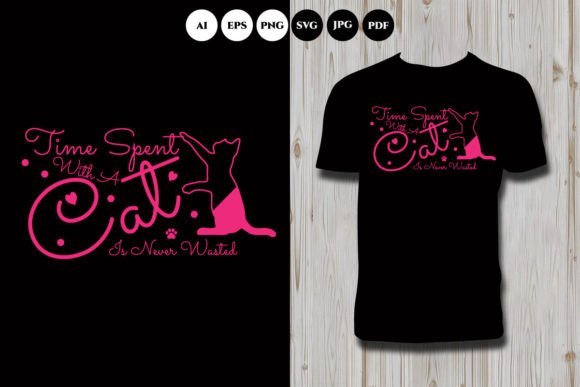
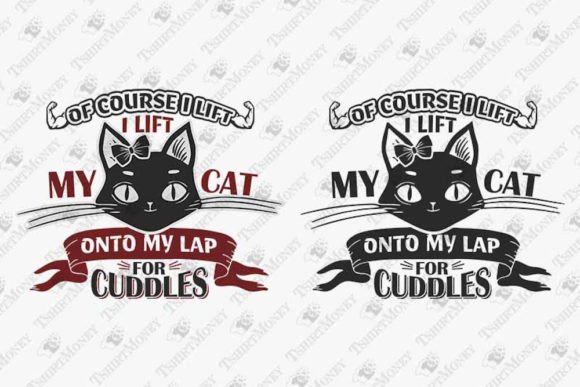
First impression? This isn’t just another cat graphic. I Lift My Cat Onto My Lap for Cuddles lands with gentle humor and quiet tenderness—like a quiet pause in a busy day. The composition feels intentional: soft curves, balanced negative space, and a clear focal point—the cat’s relaxed posture, paws tucked, head tilted just so. It reads as both illustrative and embroidery-friendly, not overly detailed but rich in personality. As a machine embroidery design, it avoids fussy linework or microscopic features that vanish under thread. That matters—especially when you’re stitching on a baby onesie or a linen tea towel for a boutique gift set.
Where It Shines (and Where It Needs Thought)
I tested I Lift My Cat Onto My Lap for Cuddles across three real projects: a medium-weight cotton tote bag, a loopback sweatshirt for a local pet rescue fundraiser, and a 6” embroidered patch for a handmade apron line. On the tote? Clean satin-stitched outlines held up beautifully; the fill stitch areas stayed smooth without puckering. On the sweatshirt, I used medium tear-away stabilizer—and the design retained its warmth and clarity, even over the fabric’s texture. The patch version required slight repositioning of the cat’s tail to avoid tight corners, but otherwise stitched out cleanly at 4.5” wide.
It works especially well for custom apparel, personalized gifts, and small shop products where emotional resonance matters more than flash. Think: nursery decor, holiday embroidery for cat lovers, Etsy listings tagged “whimsical pet lover gift,” or embroidered pillow covers for a cozy café’s merchandise shelf. It’s not built for high-detail realism—it’s built for charm, legibility, and repeat use. As a graphics file, it scales nicely for printable mockups, too, letting you preview how it’ll look on dark fabric before cutting thread.
Fabrics & Surfaces: Know When to Pause
Don’t rush this onto thin jersey tees or stretchy bamboo blends without testing. The design includes subtle contouring—especially around the cat’s ear and lap curve—that can blur if the fabric shifts mid-stitch. On curved surfaces like caps or baby hats, consider simplifying the outline or adjusting the hoop placement to keep tension even. Dark fabrics demand thoughtful thread color choices: a warm cream satin stitch against navy felt rich and intentional; black thread on charcoal fleece lost some definition. For layered garments (think reversible tote bags), verify that the backside doesn’t create bulk in the lap area—fill stitch density here is moderate, but still worth checking.
Also note: while the SVG and DXF files are perfect for cutting machines like Cricut or Silhouette Cameo, this is first and foremost a T-Shirt Designs asset meant for embroidery. Don’t assume the vector paths translate directly to stitch logic—always open the embroidery file (if included) or digitize from scratch using the PNG as a guide. If only raster formats are provided, plan extra time for clean vector tracing and stitch mapping.
What Makes It Feel Handmade—Not Mass-Produced
There’s an unspoken trust customers place in handmade product creators: they expect care, intention, and attention to context. I Lift My Cat Onto My Lap for Cuddles supports that. It doesn’t shout. It invites. A customer buying a sweatshirt with this embroidered on the chest isn’t just buying apparel—they’re buying recognition. They’re saying, *Yes, this is me. This quiet ritual is mine.* That emotional weight elevates perceived value, especially for Etsy sellers or craft fair vendors who rely on storytelling. It also fits seamlessly into brand consistency for shops centered on slow living, pet wellness, or mindful gifting.
For commercial embroidery, it holds up professionally—not too literal, not too abstract. It avoids dated tropes (no cartoonish winks or exaggerated grins), so it won’t feel out of place in a modern boutique’s seasonal collection. And unlike some over-rendered graphics, it doesn’t overwhelm smaller items: scaled to 3.5” on a kitchen towel, it remains legible and sweet—not cramped or fussy.
Practical Designer Notes Before You Stitch
- Always test on scrap fabric first—especially if using textured weaves or blends. Watch how the cat’s ear and paw details render.
- Review stitch density in your embroidery software. Look for any dense clusters near the lap fold or chin—these may benefit from slight underlay adjustment.
- Confirm hoop size compatibility. While the design fits comfortably in a 5x7 hoop, double-check the actual dimensions in your embroidery file before loading.
- Inspect small details in black-and-white mockups. Does the cat’s eye read clearly? Does the lap curve suggest softness, not stiffness?
- Use proper stabilizer: medium cut-away for knits, tear-away for stable wovens, and fusible + tear-away for lightweight linens.
- Check licensing before selling finished items or bundling the digital embroidery file. The product description mentions SVG, PNG, DXF, and EPS—but doesn’t clarify commercial use rights. Verify before listing on Etsy or supplying to a local boutique.
- Compare light and dark fabric backgrounds visually—not just on screen. Thread contrast changes everything, especially in satin-stitched outlines.
Final Thought: A Design That Earns Its Place
I Lift My Cat Onto My Lap for Cuddles isn’t flashy. It doesn’t need to be. What it does—quietly, reliably—is connect. It stitches cleanly, scales thoughtfully, and carries emotional weight without leaning on cliché. For embroidery designers building a library of versatile, heartfelt design assets, it’s a keeper. For craft business owners curating meaningful small shop products, it’s a conversation starter. And for anyone stitching a personalized gift? It’s the kind of detail that makes someone pause, smile, and say, *Yes. That’s exactly how it feels.* Just remember: respect the fabric, honor the stitch, and let the warmth speak for itself.