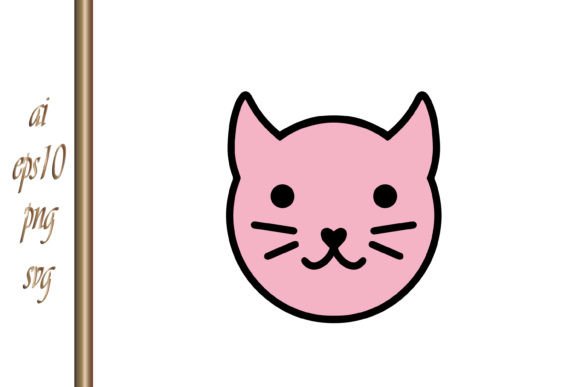
Doodle Cat Clipart Sketch Animal
A Light-Hearted Sketch That Stitches With Charm—If You Choose the Right Project
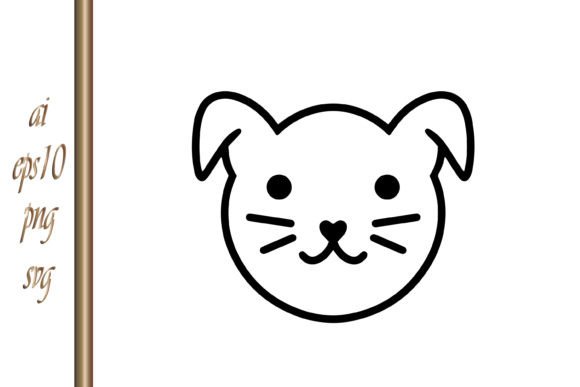
I pulled up Doodle Cat Clipart Sketch Animal last week while prepping a custom embroidered tote bag for a local indie bookstore’s launch event. The client wanted something playful but not cutesy—whimsical, hand-drawn, with breathing room for stitching. This design landed right in that sweet spot: loose linework, expressive eyes, and just enough feline attitude to feel alive without demanding perfection from your needle.
It’s clearly built as an Illustrations asset—not a dense machine embroidery design out of the gate—but its clean vector foundation (AI, SVG, EPS) and high-res PNG make it highly adaptable for embroidery digitizing. That said, it’s not plug-and-play for your hoop. It’s a starting point—a sketch you’ll need to interpret, refine, and stabilize before it becomes a finished product.
Where It Shines: Soft Surfaces, Small-Batch Charm
This doodle cat feels most at home on items where personality matters more than precision: baby onesies with gentle satin-stitch outlines, linen tea towels with open fill-stitch bodies, or cotton aprons where the sketchy line quality reads as intentional artistry—not a limitation.
I tested a simplified version on a lightweight sweatshirt fabric—medium-weight fleece—and paired it with a light tear-away stabilizer. The result? A relaxed, handmade product that looked like it belonged in a curated Etsy shop, not mass production. Customers responded well to the softness of the lines—even the running stitch “scribbles” around the ears read as deliberate texture, not sloppy execution.
For custom apparel, think: small-batch holiday embroidery, personalized gifts for cat lovers, boutique nursery decor, or even embroidered patches for denim jackets. Its scale works beautifully at 3–4 inches wide—large enough to read clearly, small enough to avoid overwhelming a pillow cover or cap front.
Where to Pause—And Plan Ahead
Don’t reach for Doodle Cat Clipart Sketch Animal when stitching on stretchy knits, ultra-thin voile, or dark fabrics without testing thread contrast first. Those fine sketch lines vanish if your black thread blends into navy terry cloth—or worse, breaks up under dense fill stitches.
Curved surfaces like caps or toddler hats demand extra attention: simplify inner details (like the whiskers or paw pads) before digitizing. What reads as charming on screen can become muddy or skipped stitches on a rounded surface. Likewise, avoid cramming this into a tiny 2-inch hoop without adjusting line weight—tiny corners and overlapping scribbles won’t translate cleanly.
If you’re planning commercial embroidery for resale—say, a line of embroidered kitchen towels or baby blankets—review the license terms carefully. The listing says “Downloadable digital product,” but doesn’t specify commercial use rights. As a craft business owner, I always confirm that before listing finished products on Etsy or at a craft fair.
Design Integrity Meets Real-World Wear
What makes Doodle Cat Clipart Sketch Animal stand out isn’t technical density—it’s visual honesty. It doesn’t pretend to be photorealistic or hyper-polished. That’s its strength. In a market flooded with over-digitized, overly saturated animal motifs, this one breathes. It signals care, not automation.
That authenticity lifts perceived value. A customer buying a personalized gift recognizes intentionality—the slight wobble in the tail line, the uneven spacing between whiskers. It feels human-made, which builds trust far faster than a flawless but soulless vector.
But that also means your execution must honor its spirit. Over-stabilizing or using stiff thread colors kills the doodle effect. Stick with matte cotton or soft rayon threads. Let the stitch density stay breathable—especially in the cat’s body—so the fabric still drapes naturally after washing.
Practical Notes Every Embroidery Designer Should Run Through
- Test first on scrap fabric matching your final project’s weight and stretch.
- Check thread color contrast on both light and dark mockups—especially for small details like pupils or nose lines.
- Review stitch density in tight areas (inner ear, paw pads); reduce fill % if needed to avoid puckering.
- Confirm hoop size early—this design scales well, but don’t assume it fits your smallest cap hoop without adjustment.
- Inspect small details at 200% zoom in your digitizing software—those sketchy lines may need slight thickening for stability.
- Try black-and-white mockups to gauge clarity without color distraction.
- Use appropriate stabilizer: light cut-away for knits, tear-away for stable wovens, fusible for lightweight linens.
- Verify licensing before selling finished items or bundling the file as part of a digital embroidery bundle.
Final Thought: A Design That Invites Collaboration, Not Just Execution
Doodle Cat Clipart Sketch Animal isn’t a shortcut—it’s a conversation starter. Between you and your machine. Between your brand and your customer. Between handmade charm and thoughtful design.
It works best when you treat it like raw material: resize with purpose, edit colors with mood in mind, simplify where function demands it, and preserve the looseness that makes it memorable. Used well, it elevates a simple tote bag into a keepsake. A plain sweatshirt into a signature piece. A baby onesie into a cherished heirloom.
As a designer who’s shipped hundreds of embroidery projects—from Etsy bestsellers to boutique wholesale lines—I keep returning to assets like this one. Not because they’re easy, but because they reward attention. And in a world of fast digital goods, that kind of intention is rare. And valuable.