Christmas Cat-itude Christmas Design
A Designer’s First Look: Playful, Punchy, and Purpose-Built
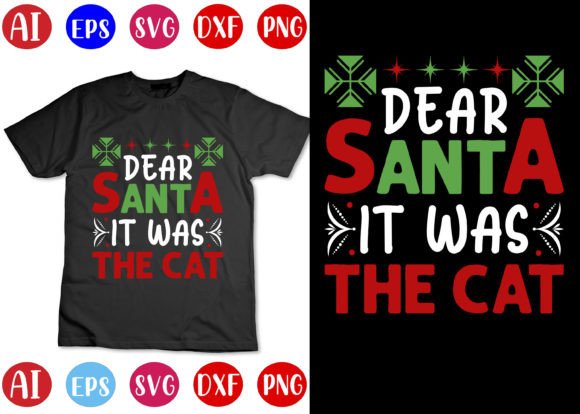
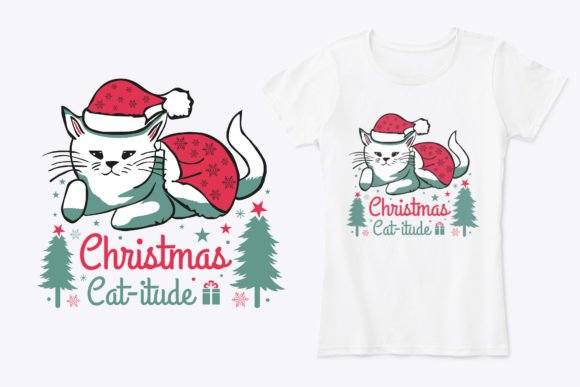
When I opened Christmas Cat-itude Christmas Design, I didn’t just see a holiday graphic—I saw a mood. A sly, soft-eyed feline wearing a tiny Santa hat, one paw raised like it’s holding court over the season. The line work is clean but expressive, with subtle curves in the whiskers and a slight tilt to the head that reads as attitude—not aggression. It’s not overly detailed, which is smart: this isn’t a portrait commission. It’s a machine embroidery design meant to land quickly, charm instantly, and hold up across real-world applications.
Real Project Test: Embroidering a Holiday Tote for My Local Boutique
Last week, I prepped a custom run of canvas tote bags for a neighborhood gift shop—small batch, high-touch, all embroidered in-house. I chose Christmas Cat-itude Christmas Design for the front panel because it balanced whimsy and wearability. At 4.2” wide, it fit comfortably in my standard 5” hoop without crowding seams or distorting the fabric grain. On medium-weight canvas with tear-away + cut-away stabilizer, the satin stitch on the cat’s outline held crisp edges, and the fill stitch in the hat stayed even—not puffy, not thin. Customers loved the cheeky personality; several asked if it came on sweatshirts (it does—and it works).
Where This Design Shines (and Where It Needs Thought)
Christmas Cat-itude Christmas Design thrives on structured, stable surfaces: tote bags, aprons, tea towels, pillow covers, and midweight sweatshirts. Its moderate detail level—clear eyes, defined ears, legible lettering in “Cat-itude”—translates cleanly into embroidery file form without excessive stitch density. That means faster sew-outs, less thread breakage, and cleaner results on custom apparel for Etsy sellers or craft fair booths.
It also scales well for baby items—think onesies or burp cloths—but only if you reduce size thoughtfully. Below 3”, the Santa hat’s trim and the word “Cat-itude” start to blur. I’d avoid using it smaller than 2.75” on infant garments unless you’re confident in your machine’s fine-stitch precision and thread tension control.
For embroidered patch production? Yes—with caveats. The design’s open negative space around the cat makes it ideal for heat-seal or sew-on patches, but test the outer satin border on your chosen twill or felt. Some fabrics grab thread differently, and that clean edge needs to stay sharp.
Fabrics That Cooperate (and Those That Don’t)
- Works beautifully on: cotton canvas, brushed poly-cotton blends, medium-knit sweatshirts, linen-look tea towels, and stable quilting cotton.
- Use caution with: ultra-thin jersey (stitch show-through), highly textured terry cloth (fill stitch can sink), dark stretch fabrics (contrast loss in small details), and curved cap fronts (hoop alignment matters more here—the cat’s symmetry helps, but test first).
Stitching Smarter: Practical Notes from the Hoop
Before stitching your first finished product, do these five things:
- Test on scrap fabric—same weight and weave as your final item. Watch how the “Cat-itude” text settles. Does the lowercase “a” hold its shape?
- Check thread color contrast on both light and dark backgrounds. The design relies on silhouette + expression—low-contrast combos (e.g., grey thread on heather grey) mute its charm.
- Review stitch density. If your machine allows, open the digital embroidery file in editing software and verify no overlapping fills or unnecessary underlay in the hat or eyes.
- Confirm hoop size matches your project surface. That playful tilt means the design isn’t perfectly centered top-to-bottom—you’ll want at least 0.5” of clearance above the cat’s ears.
- Use proper stabilizer. For towels or bags: medium cut-away. For baby onesies: lightweight tear-away + topping. Skipping this step risks puckering that undermines the design’s clean, handmade presentation.
Commercial Use & Brand Fit: Beyond the Stitch
As a craft business owner, I care how a design affects perceived value—not just stitch count. Christmas Cat-itude Christmas Design reads as intentional, not clip-art. That matters when pricing a $48 embroidered pillow cover or positioning a boutique collection online. Buyers notice when humor feels authentic and execution feels polished. It supports brand consistency for shops leaning into cozy, clever, or cat-loving themes—without locking you into a single aesthetic.
For Etsy sellers or digital product creators: yes, this fits neatly into your T-Shirt Designs and Graphics catalog—but don’t just drop it into listings. Pair it with strong printable mockups: show it on a cream sweater, a navy tote, and a sage green tea towel. Let buyers *see* its versatility before they click “add to cart.”
What This Design Says to Your Customer
It says, “I paid attention.” Not just to the season—but to tone, texture, and taste. It’s festive without being frantic, cute without being cloying, and clever without needing explanation. When stitched well on a kitchen towel gifted to a new mom, it sparks a smile. On a staff apron at a local café? It adds warmth and identity. That’s the quiet power of a well-judged holiday embroidery asset.
Final Thought: Not Just Another Graphic—A Thoughtful Tool
Christmas Cat-itude Christmas Design isn’t flashy. It doesn’t demand spotlight—it earns it through reliability, personality, and smart simplicity. Whether you’re stitching one-off personalized gifts, building a small shop product line, or sourcing design assets for client work, it’s the kind of embroidery file that saves time, elevates perception, and quietly strengthens your reputation as someone who chooses well. Just remember: always test, stabilize, and trust your eye—not just the preview image.